An inspector has found ungrounded outlets, even though some have three slots. Or an electrician has explained that the old knob-and-tube circuits lack an equipment ground. Those findings need a clear explanation before anyone promises that changing the receptacles will fix them.
NYC Knob & Tube Experts manages grounding-related corrections within assessed electrical and rewiring projects. Licensed and insured contractors carry out the work. The appropriate solution depends on the actual circuit and what is being retained.
What is the equipment ground for?
Normal current travels through the circuit’s intended conductors. The equipment-grounding path serves a different purpose. If a fault energizes exposed metal, an effective path back toward the source helps protective equipment operate as designed.
That is why the original K&T system’s lack of an equipment-grounding conductor matters. The system can still deliver electricity to a device without providing that additional path. A working appliance therefore does not establish that the installation has modern grounding protection.
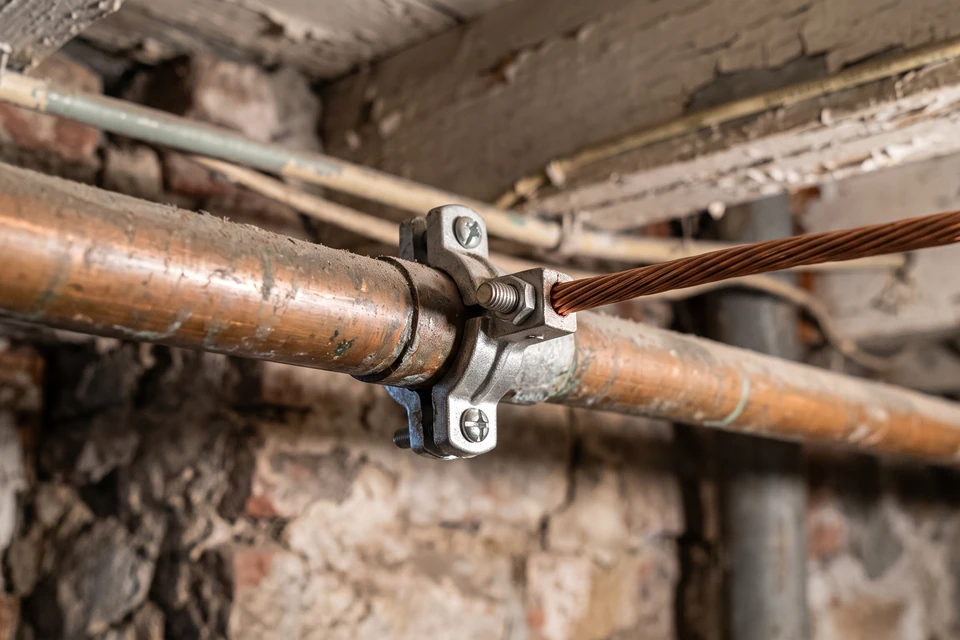
Grounding and bonding are related but distinct parts of the installation. Bonding connects conductive parts so the intended fault path is maintained. The electrician needs to assess the actual arrangement, rather than treat a connection to an arbitrary pipe as an acceptable shortcut.
Why the receptacle face can be misleading
A three-slot receptacle has a place for a grounding pin. Its face does not tell you whether the grounding connection behind it is effective. The device may have been changed while older two-wire supply remained.
Certain code-permitted GFCI replacement arrangements allow a grounding-type receptacle on an ungrounded circuit with the required protection and labels. The circuit is still ungrounded. It is therefore important to distinguish an appropriately treated ungrounded replacement from a falsely represented grounded outlet.
Do not add a jumper between neutral and ground at a receptacle as a workaround. That creates a different, potentially hazardous arrangement. The electrician should determine the existing connections and the permitted correction. Leviton on non-grounding outlets.
A GFCI provides a different kind of protection
A GFCI monitors the balance between outgoing and returning current. It can interrupt a ground fault without an equipment-grounding conductor. That is useful shock protection, but it does not create the missing grounding path.
It also does not repair damaged wire insulation, restore a deteriorated splice or increase circuit capacity. Those conditions still need assessment. The permitted device arrangement and the physical condition of the circuit are separate questions.
CPSC explains the function of GFCIs and the treatment of ungrounded replacement arrangements. The electrician must apply the current NYC requirements to the actual installation. CPSC GFCI fact sheet.
Our GFCI versus rewiring guide helps explain why one may be useful without being a complete substitute for the other.
What about metal-covered cable?
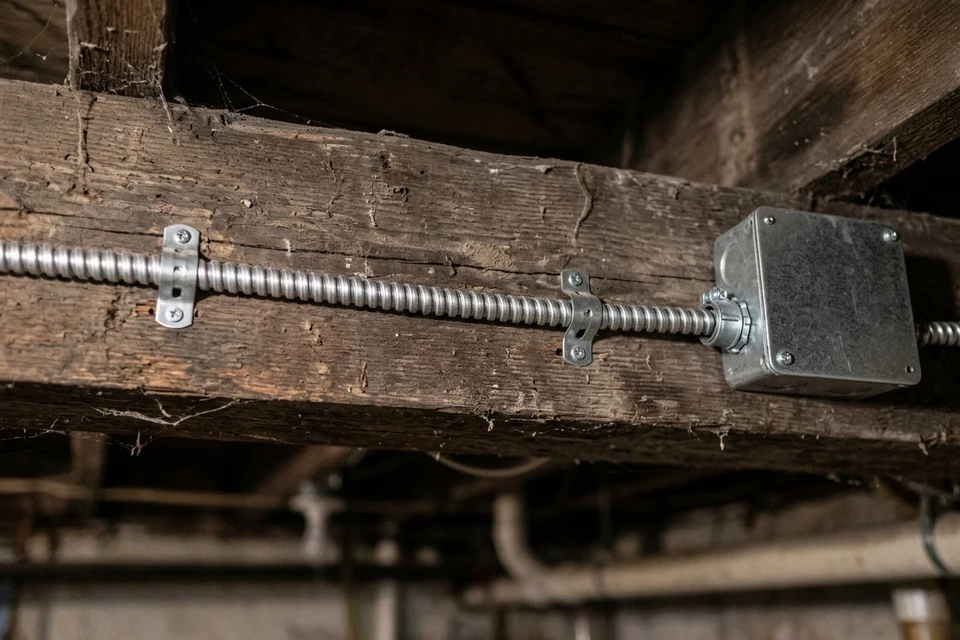
An armored cable’s exterior is another clue that needs interpretation. Different cable assemblies have different construction, and their connections matter. The presence of metal alone does not certify an effective equipment-grounding path throughout an unknown old installation.
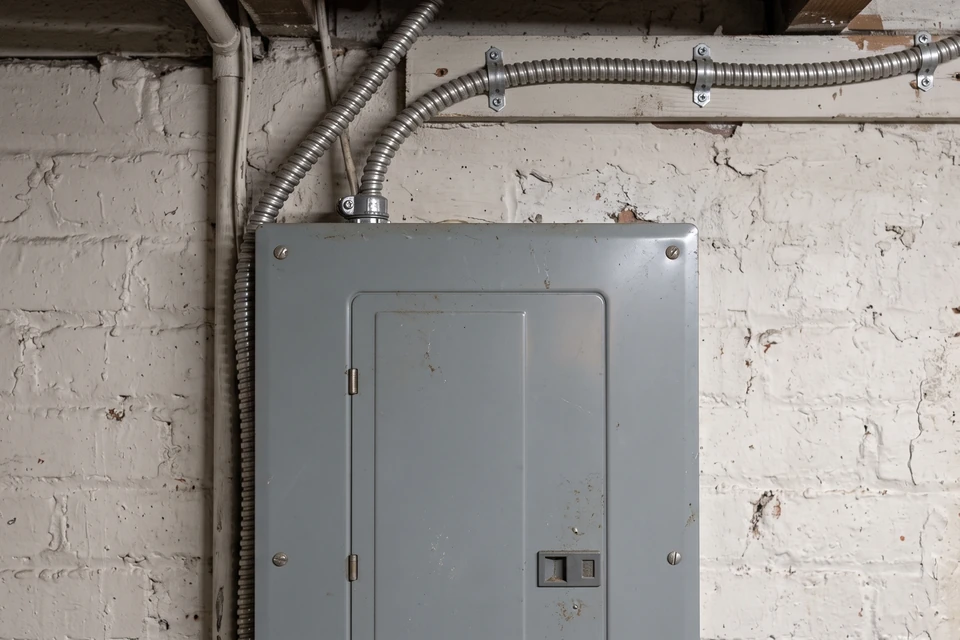
A property may also contain several wiring methods. A metal-covered run near the panel can transition elsewhere, so the visible section does not establish the arrangement at every outlet. The electrician needs to follow enough of the circuit to support the recommendation.
If the report simply says “BX is grounded,” ask which assembly and connections were assessed. The K&T versus BX guide explains why the label should not end the investigation.
Choosing the correction
The contractor first needs to establish the condition and arrangement of the circuit. Depending on those findings and the applicable requirements, the proposal may involve a permitted device correction, work to the grounding or bonding arrangement, or replacement of affected wiring.
| Proposed action | What it should establish |
|---|---|
| Receptacle correction | Why the selected arrangement is permitted and what protection it provides |
| Grounding or bonding work | Which parts of the fault path are being corrected |
| New branch circuit | What equipment it will supply and what old wiring remains elsewhere |
| Broader replacement | Why the retained installation is unsuitable for the intended use |
The proposal should not promise an entirely grounded property when it covers only selected circuits. Ask for the affected outlets and equipment to be identified. If replacement is recommended, understand how the new work connects to the supply and which existing parts are retained.
Told your outlets are ungrounded? Tell us what the report actually found. We can discuss the assessment needed before choosing the correction.
Grounding during a panel change
A panel upgrade is an opportunity to examine the associated grounding and bonding arrangement, but it does not automatically add an equipment-grounding conductor to every old branch circuit. Those circuits need their own assessment and proposed treatment.
This distinction should be visible in the quote. If a proposal includes a new panel and “grounding,” ask whether that describes work at the service equipment, branch-circuit work, or both. The phrase is too broad to establish what protection will be available at a particular room outlet.
The electrical contractor also needs to select equipment compatible with the actual circuit arrangements. Shared or interconnected neutrals in an altered installation may require tracing before protective devices can be chosen. There is no universal device swap that resolves every old-wiring configuration.
What you should receive afterward
Completion records should describe the work performed and any limits. Where outlets remain ungrounded under a permitted replacement arrangement, that fact and the applicable labels should be clear. Where circuits were replaced, identify which ones.
Keep any required inspection or sign-off records with the proposal. NYC DOB’s owner guidance explains the contractor and permit responsibilities, while the exact requirements depend on the work. NYC DOB electrical checklist.
Discuss the grounding recommendation. If another electrician has declined to modify the old wiring, include that detail. An electrician may decline to alter the old circuit while still being willing to replace it.
A closer look at wiring and access