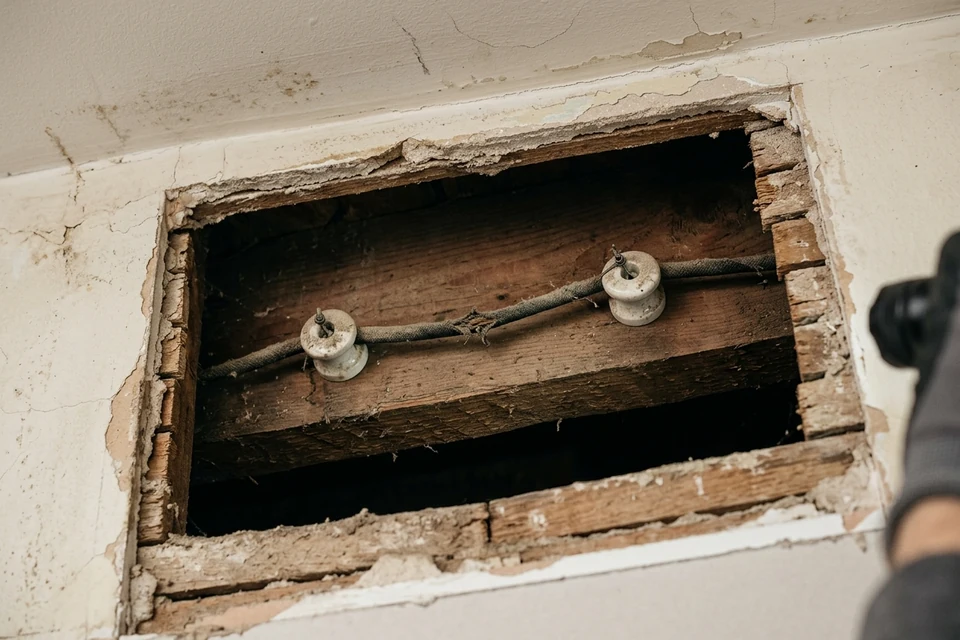
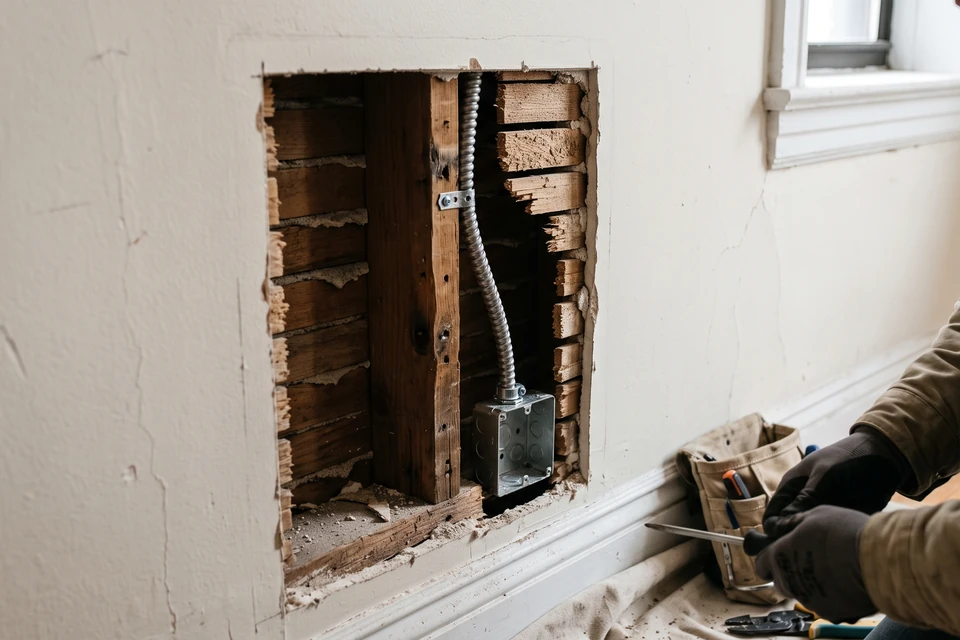
The wiring needs attention. The walls are another matter. You may have original plaster you want to keep, or a room you finished only recently. Being told the house needs rewiring can sound like being told to start the renovation again.
NYC Knob & Tube Experts manages plaster-wall rewiring throughout New York City, with electrical work performed by licensed and insured contractors. We start by looking at what needs replacing and how the building can be accessed. If another electrician declined the job because it involved finished rooms, tell us what they said.
How much plaster has to come down?
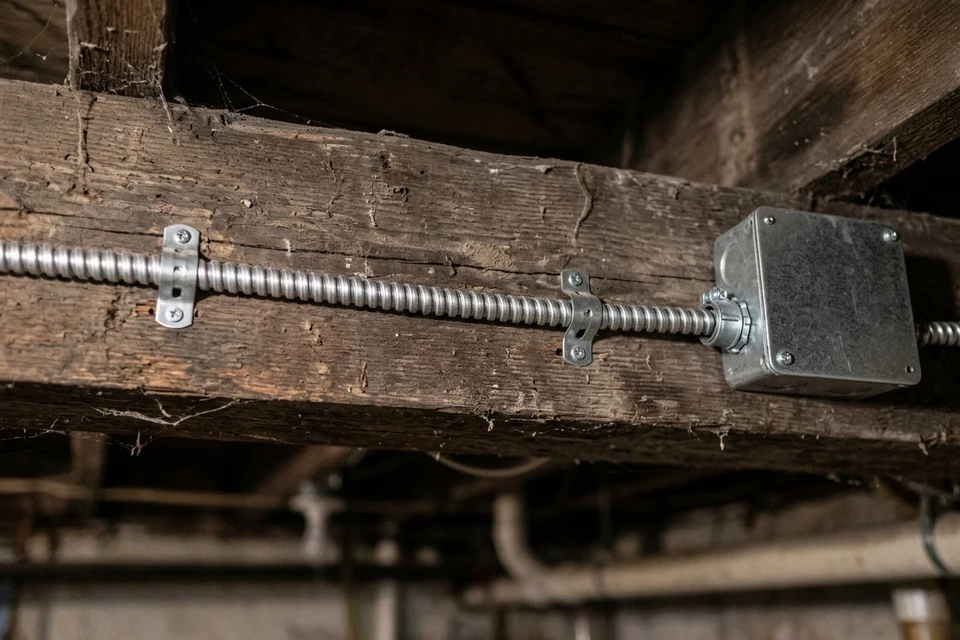
That depends on the wiring routes and the access already available. There may be a useful route from a basement or an existing opening. A concealed obstruction farther along can still prevent that route from reaching the required location.
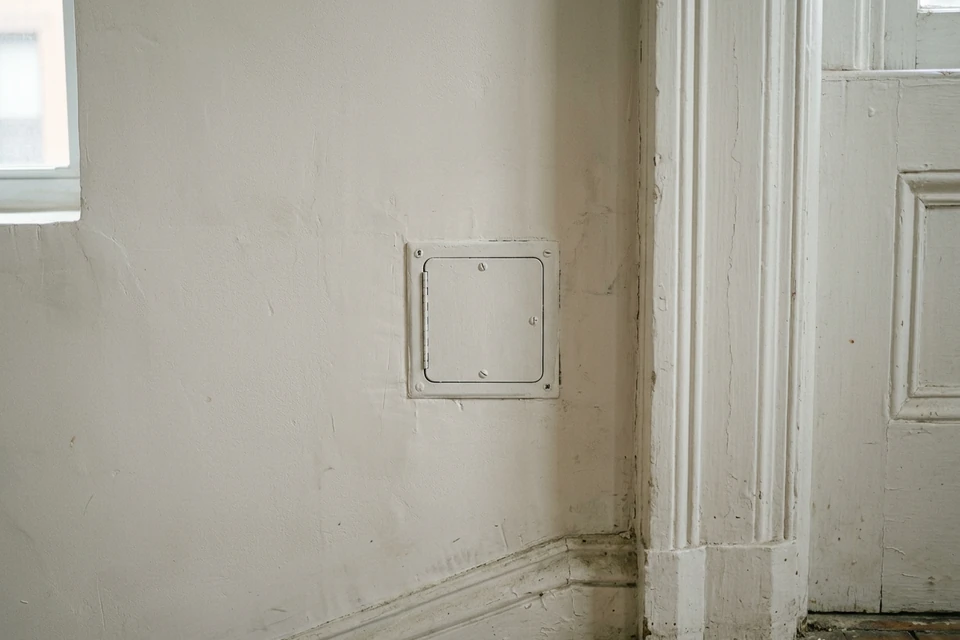
The first assessment should distinguish what the contractor can see from what remains uncertain. Ask where openings are anticipated and why. An opening needed to reach a connection serves a different purpose from a continuous strip intended to provide a new route.
No one should promise that every wall will remain untouched before the installation is understood. The useful commitment is a process for explaining likely access and agreeing what happens if the route changes. Our guide to rewiring without opening walls explores the limits of that approach.
The electrical route comes before the patching plan
A room is convenient for describing a renovation, but it may not contain a complete circuit. Old wiring above one ceiling can continue to lighting elsewhere. Replacing only the visible section may leave the new work supplied through older wiring that was never assessed.
Before settling the opening locations, the electrician needs to establish which circuits the job includes. Where some old wiring will remain, the proposal should explain the boundary. That can require investigation beyond the room where the problem first appeared.
This helps explain why a small patch request may be declined while a properly planned replacement remains possible. Moving deteriorated wiring to make a connection can damage its insulation. A contractor also needs enough information about the retained circuit to accept the proposed work. A smaller hole is not a useful saving if it leaves that question unresolved.
Show us which finishes matter most
Point out the places where an ordinary repair would be difficult to disguise. A decorative ceiling deserves a different conversation from a plain wall inside a closet. Photographs taken from normal room access can help explain your priorities before the visit.
Do not open a cavity to make the assessment easier. Describe what is already accessible and let the contractor identify any investigation that is needed.
Discuss alternative access where the building allows it. Opening from an adjoining space may affect someone else’s room, or require permission beyond your apartment. That option needs to be evaluated rather than assumed. A route that protects one finish can create a larger repair elsewhere.
Make the approval point clear: if the planned route does not work, who explains the alternatives before more plaster is disturbed? The answer should fit how you will be available during the job.
Agree what “patching included” actually means
Closing an electrical opening and returning the room to its original appearance are not always the same task. A quote may include basic patching while leaving surface preparation and painting to someone else. Decorative plaster can require its own specialist.
| Part of the work | What to clarify before agreeing |
|---|---|
| Opening the route | Which locations are anticipated and who makes the openings |
| Closing the openings | Whether the price includes the required backing and basic repair |
| Matching the existing finish | Who handles texture or decorative details |
| Painting | Whether it is included and how far the painting extends |
| Unexpected access | How additional openings and their repair are priced |
| Final handoff | Who confirms the electrical work is ready for the next trade |
Use the written proposal to settle those responsibilities. If a separate plasterer is involved, that person needs to understand the likely extent of the repair before you treat their price as final.
The plaster-repair guide explains why two apparently similar rewiring quotes can leave different amounts of finishing work to the owner.
Check material concerns before disturbance
In older properties, access work may disturb painted surfaces or suspect asbestos-containing material. Those questions belong in the plan before cutting starts.
EPA’s lead renovation program can apply to paid electrical work that disturbs paint in pre-1978 housing. The precise requirements depend on the work and applicable exceptions. A small electrical job is not a reason to assume that every opening is exempt. EPA lead-safe renovation guidance.
Asbestos cannot be confirmed from appearance alone. Where suspect material may be disturbed, arrange the appropriate professional assessment. Do not scrape or collect a sample yourself to prepare for a quote. NYC DOB’s asbestos guidance for property owners explains the role of investigation in renovation planning.
If separate material work is needed, establish who arranges it. The electrical contractor’s proposal should make clear whether that work is included or needs another agreement.
A designated property may have another approval step
Wanting to preserve original plaster is an owner preference. A landmark designation can add legal requirements, and the two should not be confused.
Check the actual property’s status. LPC review can apply to interior work at a designated building, including work that requires a DOB permit. Effects on the exterior also matter. The fact that an opening is inside does not settle the approval question. LPC permits and alterations.
The responsible project professionals should establish the applicable approvals before the route is opened. A nearby historic district or a brownstone appearance does not by itself tell you what applies to your address.
Living around the work
Tell us if the rooms will remain occupied. The plan needs to account for safe access while electrical work is underway, and the electrician must determine suitable interruption stages. Do not assume every circuit can be reconnected each evening.
The finish work has its own sequence. Plaster repair cannot simply begin whenever the room looks quiet. Required electrical inspection and access need to be accounted for before work is concealed. Ask who gives the finishing trade the go-ahead and how any outstanding correction affects that handoff.
For broader planning, read about remaining at home during a rewire. It is a property-specific decision, especially when the affected circuit supplies rooms outside the immediate work area.
Keep a record before the walls are closed
Ask for useful photographs of the accessible work and a description of the circuits replaced. These records can help with a future renovation, but photographs alone do not establish completion of the required inspection process.
The handover should identify any old wiring that remains active. If the job is one stage of a larger replacement, write down what the next stage is expected to cover while everyone still understands the installation.
Talk to us about the finished rooms involved. Start with what brought the wiring to your attention. We can then discuss an assessment that accounts for the finishes you are trying to preserve.
A closer look at wiring and access